Container Runtime Security: seccomp, AppArmor, and EKS Pod Security
Default Docker seccomp is not enough for regulated workloads. EKS Pod Security Standards, seccomp profiles, and Fargate platform version constraints.
Cluster upgrades and Karpenter consolidation look healthy in the console while PDB-blocked evictions freeze your node drain for 45 minutes. This guide wires minAvailable, maxUnavailable, and EKS managed node group semantics.
App Mesh is legacy path—new meshes should start with VPC Lattice for AWS-native east-west or Istio on EKS when you need full L7 policy. Traffic shifting without duplicating load balancers per service.
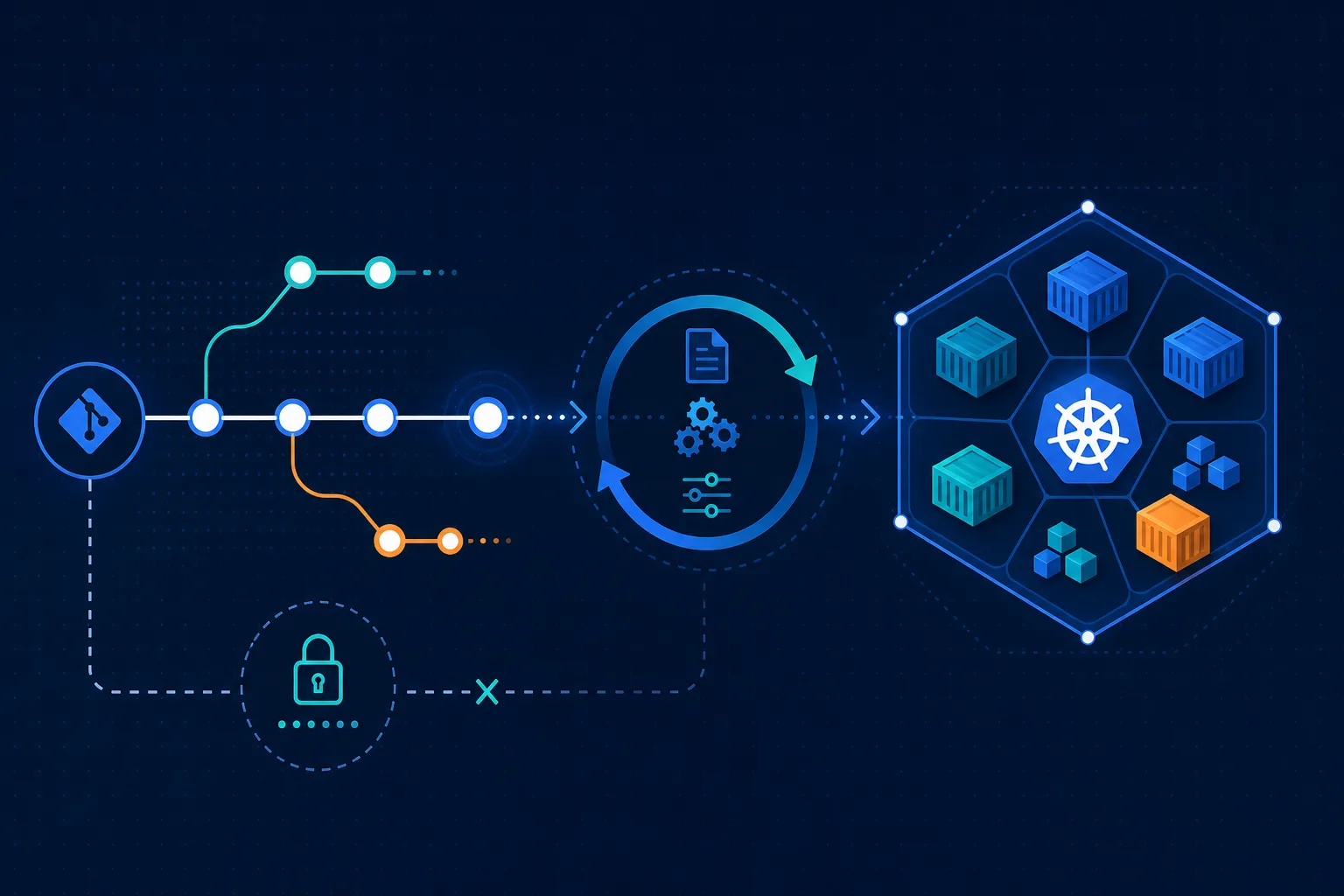
AWS Prescriptive Guidance says Argo CD and Flux both handle most GitOps scenarios capably — so picking one is a fit decision, not a winner. The decisions that actually cause incidents are the ones underneath: plaintext secrets in the GitOps repo, CI running kubectl apply and reintroducing drift, no App-of-Apps so onboarding is click-ops, and repo topology you can't change later. Here is the Argo CD vs Flux matrix, an App-of-Apps example, and the five traps independent of tool.
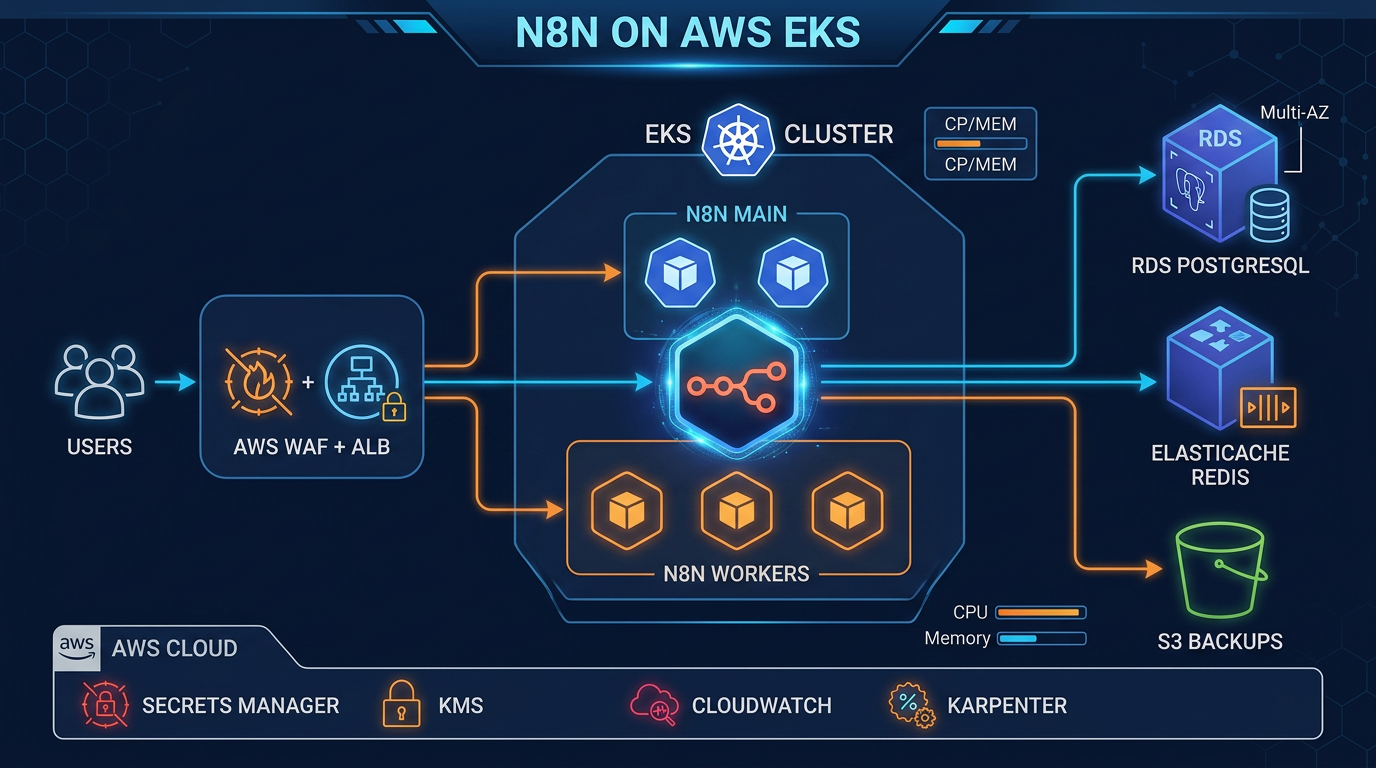
Deploy n8n workflow automation on AWS EKS with RDS PostgreSQL, ALB ingress, ACM TLS, Secrets Manager, CloudWatch, WAF, and S3 backups. Full production architecture covering HA, encryption, HPA, and Karpenter autoscaling.
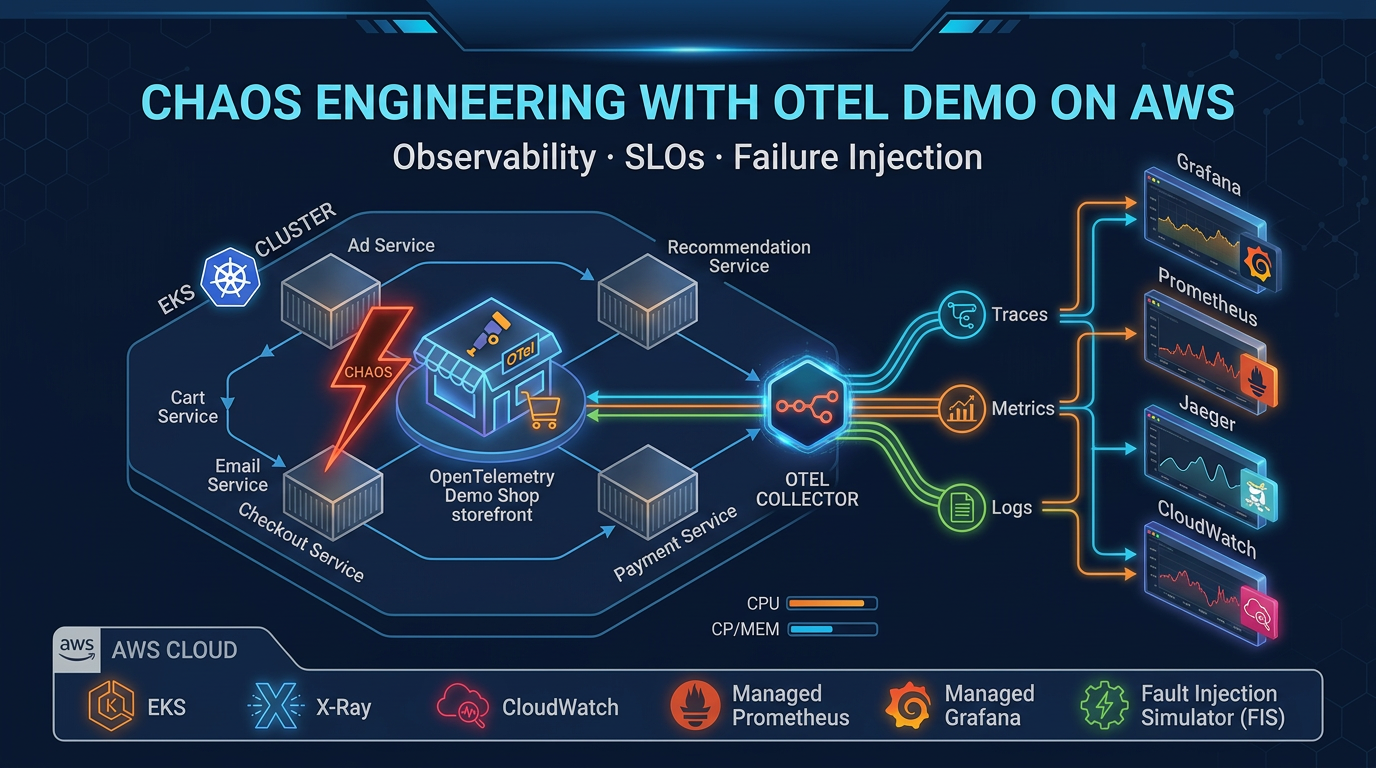
The AWS observability team built a chaos engineering game on top of the official OTel Demo. 44 injected failures. Three signals. One LLM judge. Here's everything inside it.
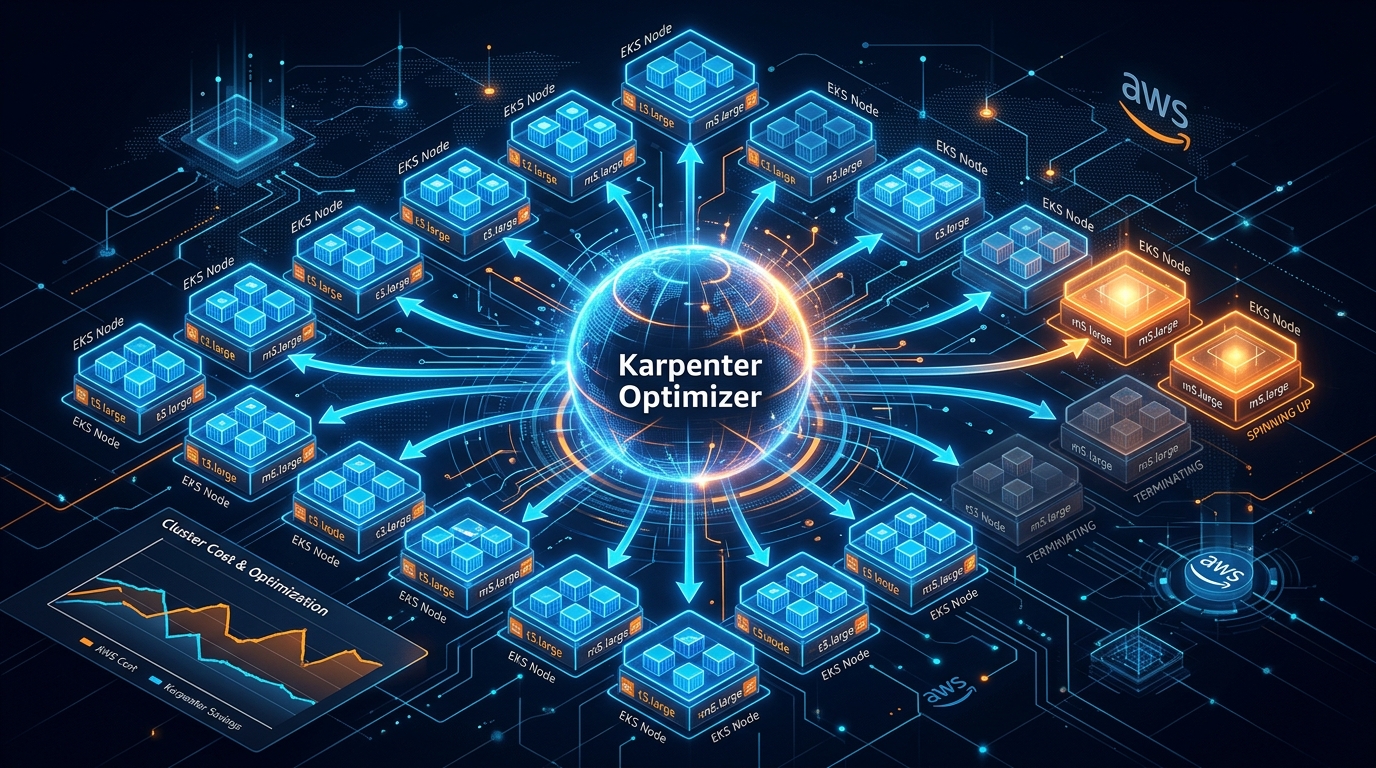
Karpenter replaces Kubernetes Cluster Autoscaler with intelligent bin-packing and just-in-time node provisioning. This guide covers setup, consolidation, cost optimization, and production patterns for EKS clusters.
Karpenter replaces Cluster Autoscaler as the recommended EKS node autoscaler. It provisions nodes faster, selects better-fit instance types per workload, and consolidates nodes more aggressively — typically reducing EKS compute costs by 20-40% compared to an equivalent Cluster Autoscaler deployment.
Autoscaling was supposed to make costs predictable by matching capacity to demand. Instead, it introduced feedback loops, burst amplification, and — with AI workloads — a new class of non-deterministic spend that no scaling policy anticipates.
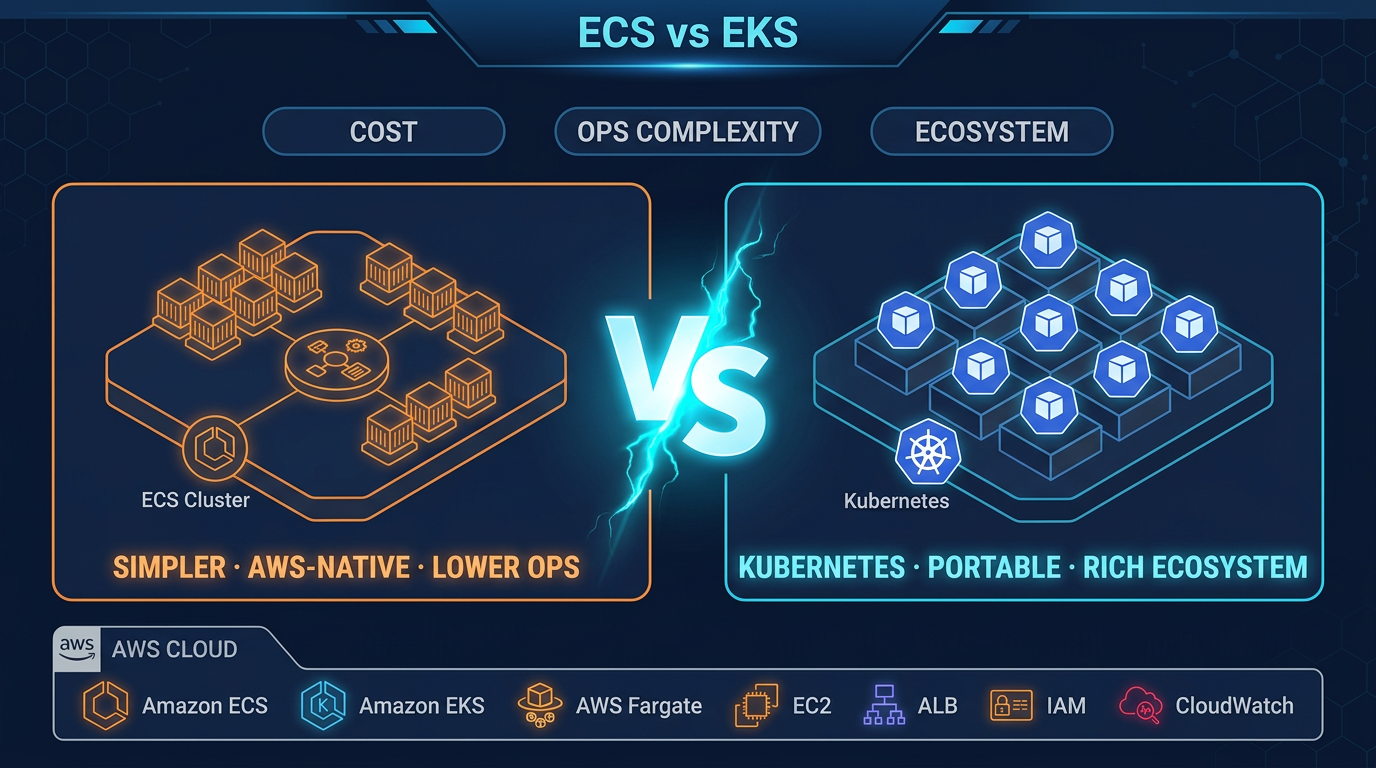
ECS is "AWS-native containers." EKS is "Kubernetes, but you're still on the hook for everything Kubernetes." A decision guide for picking between ECS and EKS based on team Kubernetes experience, operational complexity, and the cost gap at production scale.